Motorhome travel is such a fantastic way to see a country or even multiple countries. We know that everyone has different requirements and options, depending on how much time you have, what you like to do, what weather you prefer, etcetera. But no matter what, motorhome travel offers you a great way to travel, and the steps to plan your motorhome road trip stay more or less the same.
In this article, we will talk about everything you want to know about planning your motorhome road trip.
Why you want to plan your motorhome trip
If you, like us, love to decide where you want to go on the fly, you might wonder why you want to plan your road trip at all. But the thing is that it is always a good idea to plan your motorhome road trip, no matter what kind of travelling you do. You might need less planning than if you want to work out your route beforehand fully, but there is still a lot that you need to take into account before hitting the road.
Believe us, we know.
See, we paid a lot more than necessary on ferries and toll roads in Norway because we didn’t plan ahead. If we would have done a little research, we would have known we could save up to 50% per boat ride just by filling in some papers beforehand and getting an AutoPASS for Norway. This is the automated system for the collection of road and ferry tolls, and it saves you a lot of Norwegian Kroner.
If we would have done a little more research for each of the countries we planned on visiting during our long European road trip, we would have saved ourselves a lot of issues and money.
So please use this article as your guide to do as little or as much planning as you need.
Your Motorhome Trip Itinerary
Travel partners
First, let’s talk about the most important part: who are you travelling with? Is it just the two of you? Are you travelling with kids? Are you going solo? Or do you have a dog with you? This is important because it can influence where you want to go, how much you will want to travel per day, how long you have and a lot more.
Length of the trip
To plan your road trip itinerary, you then have to decide how much time you have. If you have 3 weeks, you might decide to only go to one country, or even a specific region, while if you are planning a long road trip, like our 7-month trip through Europe, you can see many countries.
Preferences
Now think about the preferences you have for your road trip.
- Do you prefer the sea and beaches or mountains and forests?
- Do you want towns and cities or quieter areas?
- Do you prefer 30+ degrees Celsius or a bit cooler weather?
Destination(s)
Once you know the length of your trip and your preferences, it’s time to start researching the many incredible places you can visit. Whether you’re interested in breathtaking natural landscapes, vibrant cities, historic landmarks, or anything in between, there’s sure to be something that will catch your eye. Start by making a shortlist of must-see destinations that align with your personal interests and travel preferences.
Check out the information we have on these countries:
To be able to decide on a specific location, there are several factors to consider, such as travel time and any restrictions that may be in place. For instance, if you are from the UK, you might need to keep in mind that you can only be in Europe for 90 days out of 180 days. Or it may be challenging to reach a specific location due to seasonal weather conditions. It’s essential to take these factors into account to ensure a smooth and stress-free trip.
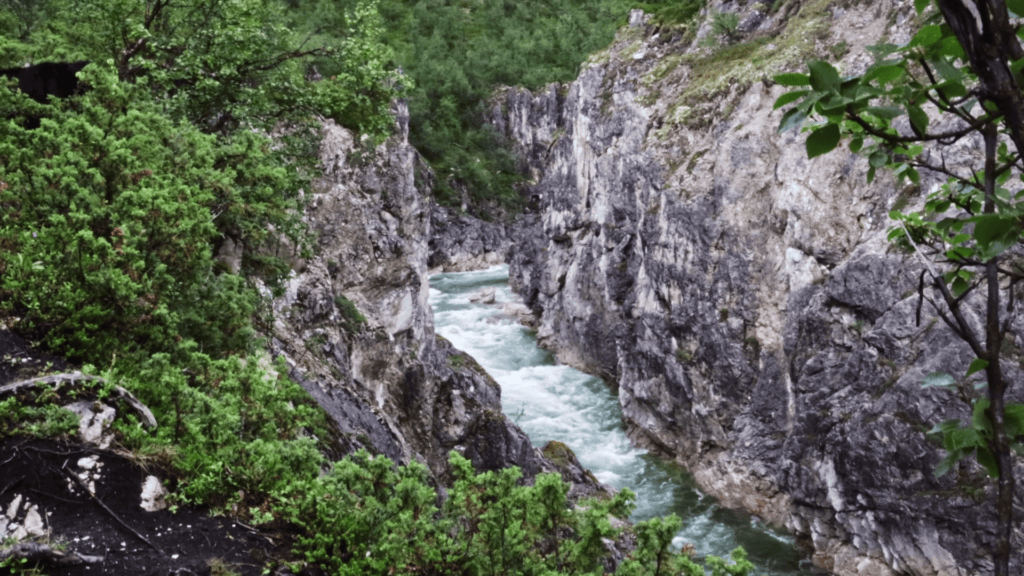
If you find that you still have several locations on your list, don’t worry! You may be able to combine some of them if they’re on the same route. Get a map and tag all your favourite locations on it. You might see a pleasant route between several of them. This can be a great way to maximize your time and experience a diverse range of sights and activities. Remember to have enough flexibility in your itinerary for unexpected detours and spontaneous discoveries along the way, as they often lead to the most memorable experiences.
Locations
Once you have selected your general destination(s), you will want to come up with some specific locations where you want to go. This can take some research, and you can decide to do it while on the road, but having some ideas of where you want to go will help you love your road trip even more. You can look forward to seeing these locations while having space to visit something unexpected spontaneously.
We had a short list of things we wanted to see:
- Some WW2 sites in France (Marten)
- Natalie’s parents in France
- Carcassonne, France (Natalie)
- Meet up with friends that also travel, somewhere
- North Sweden
- North Norway
North Norway was the most important one on that list because we knew we wouldn’t be able to visit this during a normal holiday when we have 2 or 3 weeks.
Our list of places we wanted to go sometimes grew when we were in a specific area, but we hadn’t really worked out a lot. Looking back, we might recommend having a few more points figured out beforehand, but it worked out nicely for us.
Your Motorhome
Now that you know where you are going, let’s talk about the elephant in the room. Or well, something around that size: the motorhome you will need to do your trip.
Do you have a camper yourself or will you rent one? Will it be a motorhome, a campervan or something else? Is it going to work for the trip you have in mind?
READ MORE: Difference between campervan, motorhome, RV, and others
For instance, friends of ours had a normal RV, a bit like ours and wanted to drive through England, only to find out that most cool roads were too small for the big camper. They wished they had a campervan to do that trip with.
And at the same time, if you have/want to rent a campervan, but you are travelling with 3 kids and a dog, are you sure you will all survive that trip? Will the kids be in each other’s hair? Will you mind being in each other’s way?
Make sure your home on wheels matches your plans and your preferences.
All about camping
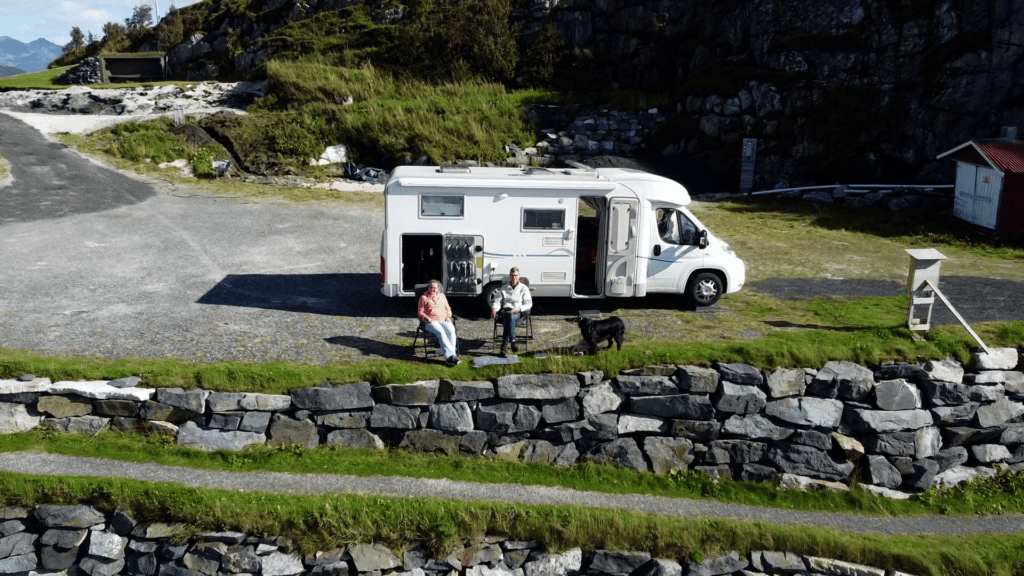
There are several ways to camp during your road trip. What is possible depends on the rules and regulations of the country as well as on your preferences. For instance, in the Netherlands, you are not allowed to wild camp, while in Norway, this is very normal. Maybe you would like to stay on 5-star camping grounds every night, or maybe you want to try to sleep as cheaply as possible. All of this has consequences on where you can go.
If you want to go in summer and you want to or need to go to camping grounds, you might need to book the time as they will fill up quickly during the summer months. If you are looking for free spots or cheap motorhome parking spaces, you might need to get there early to find a good spot.
Different camping options
Camping ground
Just as with a tent or caravan, you can go to a campsite and park your motorhome there. Most camping grounds have all the facilities you could wish for and more; toilets, showers, emptying spots for black and grey water, etcetera. You might also have a swimming pool, sauna, café, restaurant, or entertainment there.
In summer, you need to book your camping ground before arriving in most countries as it will fill up quickly. In spring and autumn, this is less necessary. During these off-season months, you can also use the ACSI card to have a discount on the price.
Camper site
All through Europe, you will find specific motorhome parking spaces. These are like upgraded parking lots meant for the length of a motorhome. Sometimes these spots are just gravel, while others might have a spot of grass next to it for some nice camping. Most of them have facilities to empty black and grey water and fill up your water supply, but won’t have showers or toilets (though some do). The spaces can be free or paid, ranging from 0 to about 20 Euros per night.
Private spots
Locals sometimes offer spaces for campervans and motorhomes too. This might be near a house or a farm. We’ve had spots at vineyards, including winetasting, or next to cows. The amenities for these local spots really depend, but they are one of our favourite ways to find nice overnight spots.
Wild camping
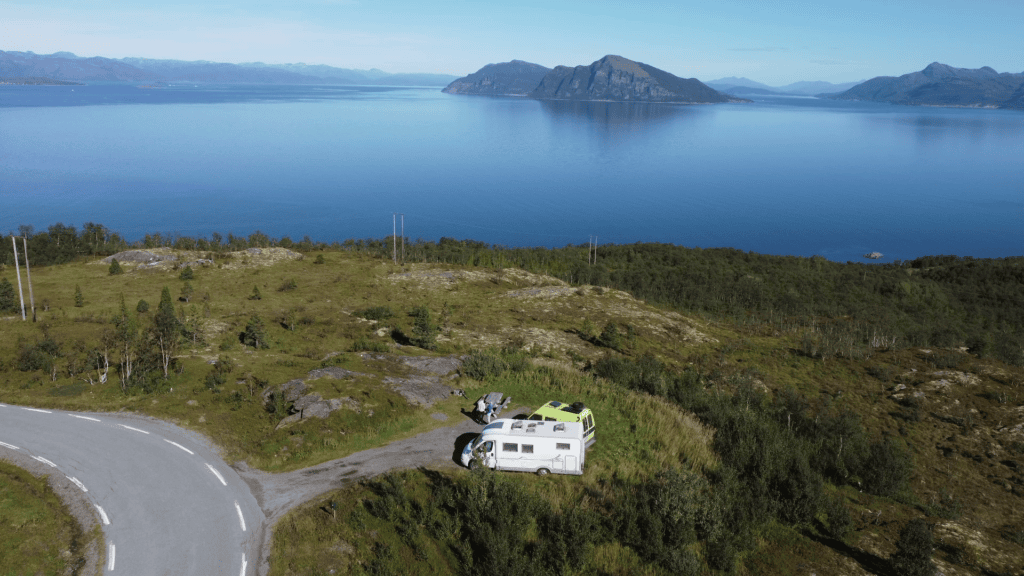
Wild camping is staying somewhere that is not a campsite or a camp spot. The rules of wild camping depend on the country. Wild camping in Switzerland is illegal and gets you huge fines, while wild camping in Scandinavia is perfectly normal and legal, as long as you keep to certain etiquette.
What to Consider
We love mixing our camping spots, depending on our needs and availability. During the off-season, we use camping grounds more if we can’t wild camp or if we need the amenities, as we can use our ACSI card to get nice prices. During high season we prefer private spots or camper sites, as we like to avoid the busyness of camping as well as the fact that we don’t want to prebook anything.
When we are in need of a good shower (not in the camper), need to do laundry, need to empty waste, etcetera, we take this into account while looking for our spots. We mostly use the Park4Night app (see below) to find what we are looking for.
If you go to a busy region during a busy season, you might want to book a few spots in advance if you know you will be there on a specific date, just to be sure you have a place to stay and leave other nights up to chance.
Resources to find and book sites
There are some mobile apps and websites that can help you find great locations to stay at.
Park4Night is a popular mobile app and online platform that enables motorhome travellers to find and share information about overnight parking spots, wild camping locations, and other useful amenities across Europe. We used this a lot during our travels. The only downside is that sometimes the stated information is not correct; a spot is actually not a good place to park or even illegal. We found a spot in Germany that turned out to be the parking lot of a scouting terrain and not open to the public. They let us stay in the end, but it wasn’t supposed to be used for parking campers.
CamperContact is another popular online platform and mobile app specifically designed for motorhome and campervan travellers. It serves as a comprehensive resource for finding and reviewing motorhome campsites, parking areas, and service points throughout Europe. CamperContact provides detailed information to help travellers locate suitable places to stay, refuel, empty waste tanks, and more, catering to the unique needs of motorhome enthusiasts.
ACSI Eurocampings is a website with a lot of different campsites. You can search for a specific country or spot for a specific period or just look on a map. If you get an ACSI card, you will even have a discount on some of the campgrounds during the off-season. When you buy the card, you will also get a paper booklet with spots where you can use the ACSI card.
France Passion offers over 21.000 stopover sites for the French countryside, letting you park at vineyards, farmers and other traders. These people allow you to stay for free for up to 24h if you are a member. The only rules are that you are completely self-reliant, are cordial to the hosts and leave the site clean. It is preferred that you have a look at the hosts’ products and optionally buy something.
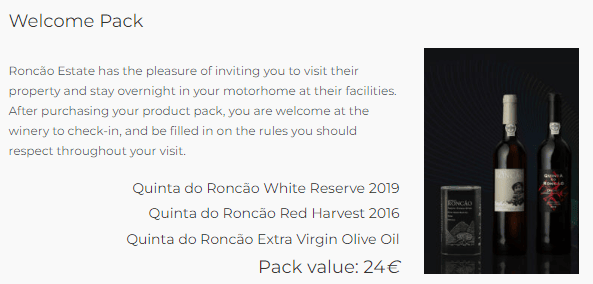
EasyCamp is a similar concept to France Passion in Portugal. There are Easy Camp locations all over Portugal. The big difference is that it is obligatory to buy the welcome pack from the host. This makes it a lot more expensive than the France Passion version, but you do get something in return, like wine, cheese, etcetera. And you can see what you will get before you go there.
Your budget
When embarking on a motorhome road trip that spans several weeks or even months, budgeting becomes a vital aspect of planning. While setting a budget is not mandatory, it can help you manage your finances effectively and ensure a more stress-free journey. We didn’t have much of a budget during our trip, but there were things we kept in mind while travelling.
Assess your finances
It’s essential to know your finances before you go on your road trip. We were in the fortunate position to have quite a bit of money for our big Europe road trip, but we still had to check what we had and wanted to spend beforehand. Consider your financial commitments at home when budgeting, as these will still be there even if you are not.
Different costs
When you are on the road, there are many things that will regularly cost you money:
- fuel – without it, you cannot go anywhere. How much fuel you use will depend on how far you drive, but this is always a significant expense.
- accommodation – this will really depend on your location and preferences, but you will need to spend money on your accommodation.
- food/dining – the great thing about a motorhome is that you can prepare food in your own kitchen. But you will still need to buy that. And you might want to eat out sometimes too. So again, this is another substantial cost for your trip.
- entertainment/activities – this is an expense that you can really play with, depending on your financial situation. But you will also want to do something while on the road, whether that is visiting a museum or castle or renting a kayak.
- insurance – you will need insurance on the road, travel insurance as well as insurance for your motorhome. Depending on the insurance, this can be a smaller or bigger expense.
- souvenirs/personal expenses – you might want to buy gifts for loved ones at home or get something for yourself while you are on the road. This is an expense you can really play with, depending on your financial situation.
- currency exchange/payment methods – depending on where you are going, you might need to pay to get money from the bank, for currency exchanges or to use your bank account. All of this will cost you money too.
- misc – always have a ‘misc’ expense for those unexpected costs. Most budget people will recommend you have this at 10% of your budget, but whatever you have here is better than having nothing for when you need it.
Setting & checking your budget
Depending on your finances, you might want to set a very strict budget or have a loose idea of how much you would like to spend. We had a maximum per month for our trip and kept that in mind as we spent money on the different categories.
You might also want to check your budget as you go, adding the money you spend into each expenditure category so you could so if you need to adjust your budgets.
Because that is really important: Be flexible and adjust if necessary. If you notice fuel is costing you more than expected, go and check where you could maybe spend a little less so you can stay within your budget.
And whatever you do, don’t forget to have fun! Don’t let money ruin your motorhome road trip!
Packing Your Motorhome
There is nothing worse than being on the road and realising you forgot something important. So now that you know where you are going, how long you are going, and you have a pretty good idea of the weather, it’s time to start making a list of what you want to pack and start packing!
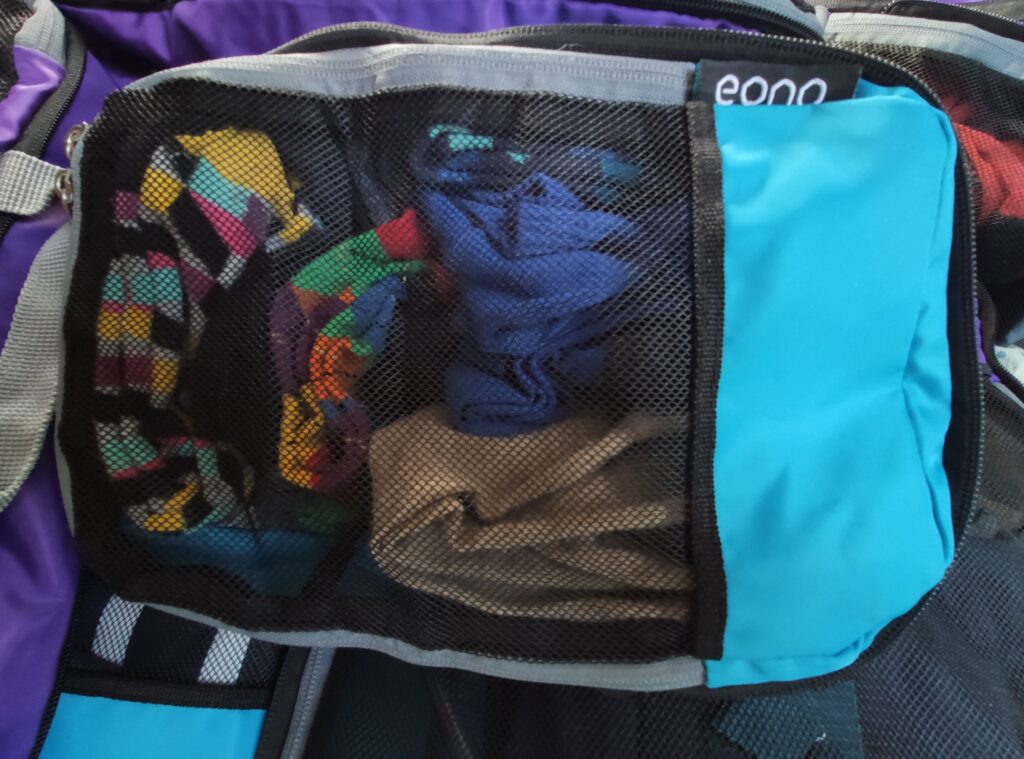
Make a list
The best way to start making this list is to think about it in categories:
- Camper Essentials
- Bathroom Essentials
- Kitchen Essentials
- Clothes
- Personal Stuff
- Entertainment/hobbies
- …
You might have some other categories that are specific to you, like we have a category ‘Dog(s)’.
Now start adding anything you will need into these categories.
While writing, please keep in mind that you can not take everything you want. You have a weight limit in your campervan to take into consideration, after all.
READ MORE: Motorhome Weight Limits: Everything You Need to Know About Driving in Europe
Packing the camper
You can use your list to start packing the camper when you are almost ready to go on your trip. Depending on how much prepping you want to do beforehand, you might have already decided where things need to go, or you figure it out while you are adding things to the motorhome.
In either case, you will need to organise all your belongings so you it’s easier to find what you need. You might want to check out this article about motorhome organisation.
READ MORE: How to Work Out A Camper Organisation That Will Work For You
Logistics and Legalities
There are many things to keep in mind before you go on your road trip that we have mashed together in the category of ‘logistics and legalities’. We are talking about essential documentation, rules and regulations throughout Europe, tools, parking regulations, etcetera. This section is not complete, and it might not always be correct either, so please go and research this information for the countries you go to.
Essential documentation
Make sure you have all your essential documentation in order.
- Do you need an ID card or a passport? (These days, we need a passport to go to the UK, while before Brexit, we could go on an ID card)
- Is the MOT of your motorhome valid until your return?
- Do you have your driver’s licenses, and are they valid until your return?
- Do you have your vehicle registrations in order?
If you are crossing borders outside of the EU, you might need specific documents. Check the specific requirements for each country you are driving through or visiting.
Driving regulations
You might want to familiarise yourselves with the regulations and laws of each specific country. While speed limits are often mentioned on the side of the road and, more importantly, on Google maps these days, you do want to know if there is anything specific that you need to have in your campervan or motorhome. For instance, fluorescent vests, a warning triangle or an extra pair of glasses.
Insurance
You will need both vehicle insurance and travel insurance. Make sure you have the appropriate insurance coverage for your motorhome and your travel plans. And check, check and double-check the rules. We found out that even though we had extended the number of kilometres we could drive outside the Netherlands with our intermediary, they had forgotten to change the travel time for the travel insurance, and so our GoPro wasn’t insured when it disappeared into the sea as we had been travelling for too long.
Environmental Zones
More and more countries are setting up environmental zones where there are certain emission regulations. You will need permits or stickers to be able to go into these zones (if you are allowed at all), and some of those have to be requested before you go to the country (Crit’Air France, for instance).
Please research the environmental zones for each country you are driving through or going to and make sure you get the necessary permits if possible.
Toll vignettes, badges and devices
Several countries have toll vignettes or badges. As mentioned before, Norway has AutoPASS, which saves you a ton of money if you have this set up. Austria, Switzerland and Slovenia have toll vignettes, but while you can order the ones from Austria and Switzerland beforehand, you have to get the Slovenian vignette near the border.
Make sure you research the countries you are driving through or going to and that you know what you might need.
Sidenote: In some countries, you can get away without toll vignettes by driving on more minor roads instead of highways. We didn’t get a Swiss vignette because we knew we were ok with driving the more minor roads.
Other documentation
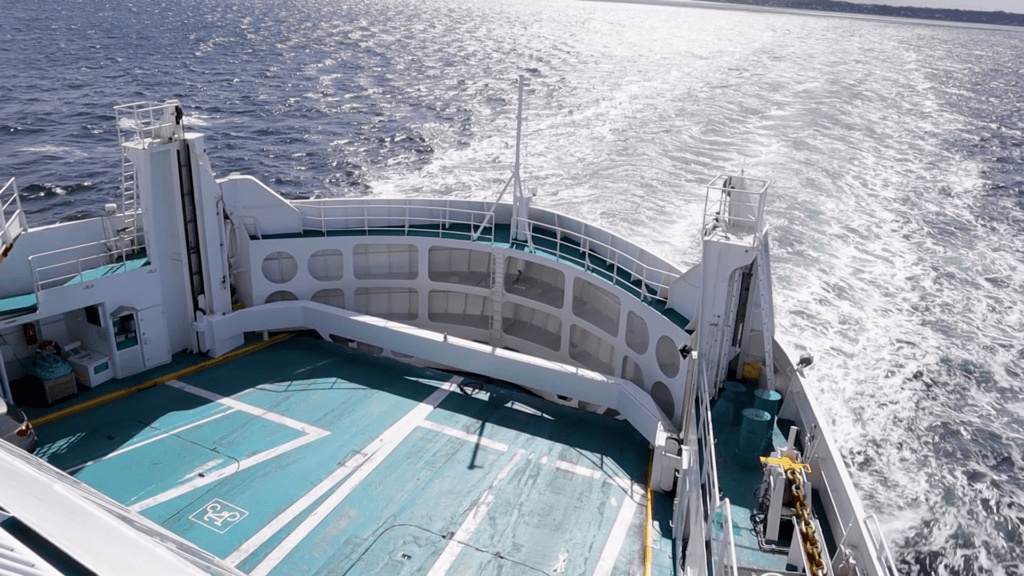
You might need other documentation depending on where you are going and how you are travelling. For instance, you might need documentation for your boat trip with the motorhome or camping reservations.
Safety Tips
There are different elements of safety while on the road: road safety, motorhome safety, and personal safety. Below are some things to consider to stay safe. While some might seem common sense, we prefer to mention them, but it is always up to you what you want to do and how.
Road safety
- Observe traffic laws and speed limits.
- Maintain a safe distance from other vehicles.
- Be cautious while driving on unfamiliar roads, especially in rural or mountainous areas.
- Stay updated on road conditions and weather forecasts.
- Regularly check the motorhome’s tire pressure, brakes, and other essential components.
Motorhome safety
- Lock all doors and windows when the motorhome is parked or unattended.
- Use reliable security measures, such as sturdy locks and alarms, to deter theft or break-ins.
- Keep valuables secure and out of sight.
- Equip the motorhome with functioning smoke detectors and fire extinguishers.
- Do not leave cooking appliances unattended while in use.
- Regularly inspect and maintain gas appliances to prevent gas leaks.
Personal safety
- Be cautious of your surroundings, particularly in unfamiliar or crowded areas.
- Trust your instincts and be aware of potential scams or pickpocketing in tourist areas.
- Keep valuables secure and out of sight.
- Choose reputable and well-maintained campsites with adequate security measures.
- Carry a first aid kit with essential medical supplies.
- Be mindful of food safety and properly store and cook food to prevent contamination.
- Ensure your mobile phone has sufficient battery life and a backup charging option.
Friends & Family
You might want to consider having some emergency contact numbers in a place where they are easy to find. Also, stay connected with friends and family and inform them of your whereabouts and plans for the next few days/weeks.
Connecting with the Locals
Exploring local culture and attractions is a fantastic way to make the most of your motorhome road trip experience in Europe. Immersing yourself in the local culture allows you to connect with the destination on a deeper level and create meaningful memories. Here are some valuable tips on how to connect with the locals during your journey:
Language
We believe it is crucial to learn at least a few words or phrases in the local language when travelling. While most people in European countries understand some English, making the effort to learn a few words in the local language can help build rapport. Learning basic greetings such as “hello”, “good morning”, and “good evening”, as well as “thank you” and “please”, can make a big difference in how the locals will treat you. Some say it’s the difference between being a tourist and a traveller, and we agree. Locals appreciate the effort and respect shown when attempting to speak their language.
READ MORE: Learning a language with DuoLingo
Local cuisine
One of the best ways to experience a new culture is through its food. Try local dishes, visit farmers’ markets, and explore regional specialities. Engage with locals and ask for recommendations on the best places to eat. This not only allows you to savour authentic flavours but also opens up opportunities to interact with the community.
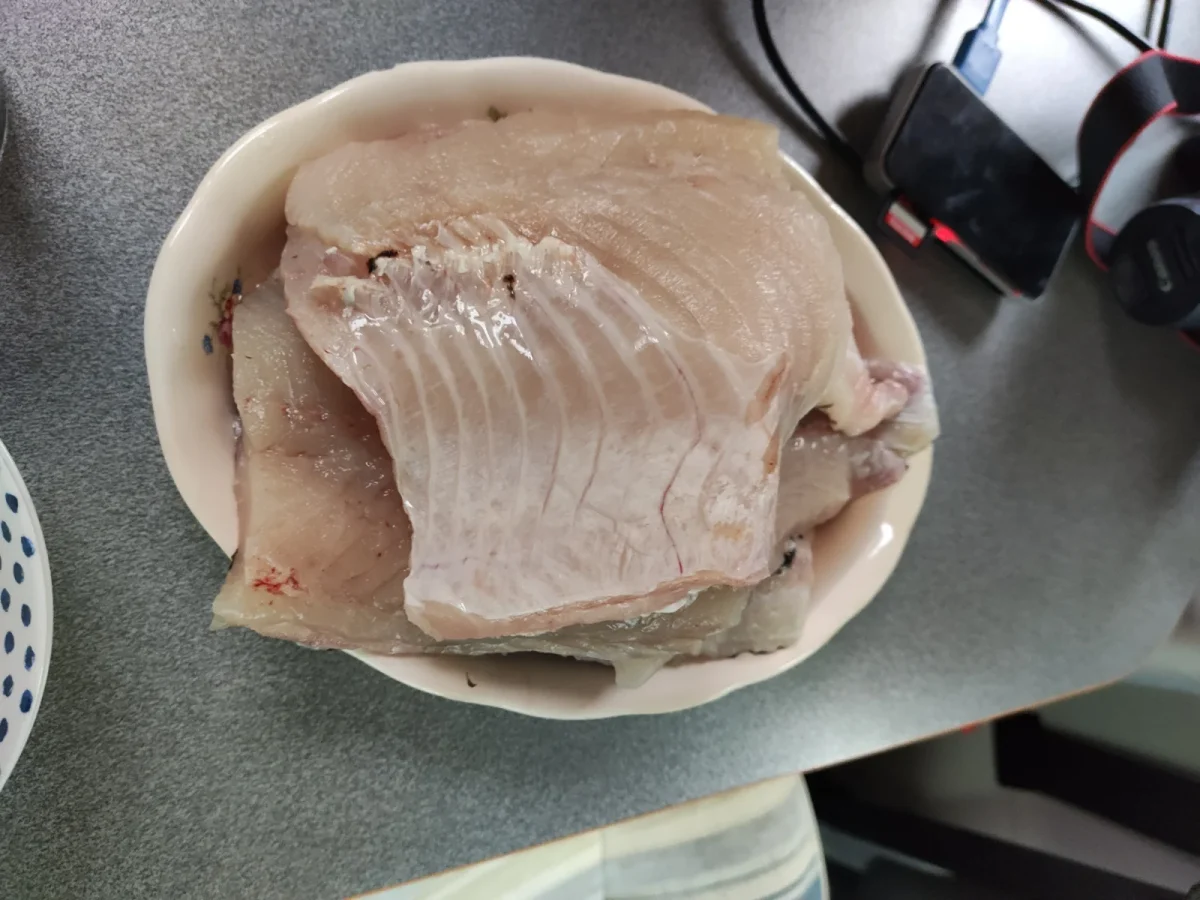
Ask those Polish fishermen in Sweden what they caught during their fishing trip and you might get lucky and get a big bowl of fresh fish!
Events and Activities
Keep your eye out for local events, festivals, workshops and other activities in the region you are visiting. These celebrations and events give you a glimpse into local traditions and crafts. These experiences not only offer a more hands-on approach to learning about the culture, but they also give you a chance to mingle with locals en create memories.
Flexibility during your trip
While we have talked all about planning in this article, we want to take a second to emphasise how important it is to stay flexible during your journey. Relax, take the time to enjoy what is happening and embrace a spontaneous mindset.
Go on a detour just because something looks fun, go to that place that you don’t know will be interesting yet, and have an off-the-beaten-path experience. Some of our most memorable experiences weren’t something we planned, like the midnight hike at Grense Jakobselv, driving the Aursjøvegen and meeting up with Jan and Emma in Tromsø and travelling together for a month.
READ MORE: Documenting your trip
Now you are ready for your motorhome road trip!
So now you know (almost) everything there is to know about how to plan your motorhome road trip in Europe!
Whether you prefer spontaneity or a fully planned out holiday, we hope this article helps you have a great time and feel as little or as much prepared as you need to be!
Don’t forget to have fun and document your trip as you go!
We can’t wait to hear where your next motorhome adventure brings you; let us know in the comments. And if you have any questions about motorhome travel, you can ask them there as well!
Safe travels!
Pin this: