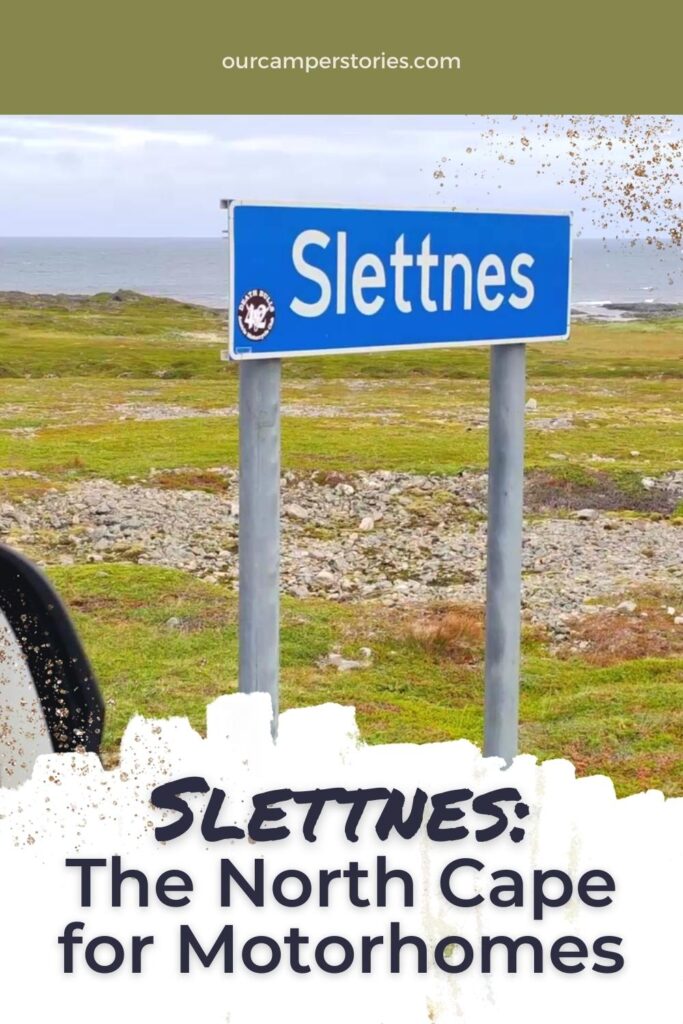
Norway is a country filled with scenic beauty and breathtaking landscapes. While many tourists drive straight to popular destinations like North Cape, Lofoten Islands, and Geirangerfjord, hidden gems like Slettness remain relatively unknown. Slettness is often referred to as the unofficial North Cape because it is the northernmost point of the Norwegian mainland, while the North Cape itself is located on a separate island connected to the mainland by a tunnel.
The location of Slettnes
Slettness is a charming village located in the municipality of Gamvik in Finnmark County, Norway. It is situated on the peninsula of Nordkinn, next to the Barents Sea. To get to the unofficial North Cape, you can enjoy the scenic route by driving up the 888 starting at Ifjord to Mehamn. You will pass by stunning fjords and quaint fishing villages and even cross a small, picturesque isthmus that is only 500 meters wide at its narrowest point. This tiny strip of land is a unique sight to behold and is known locally as “Kjøllefjordhalsen.” The narrow Hopseidet isthmus is situated between the Tanafjorden and the Laksefjorden and connects the peninsula with the mainland.
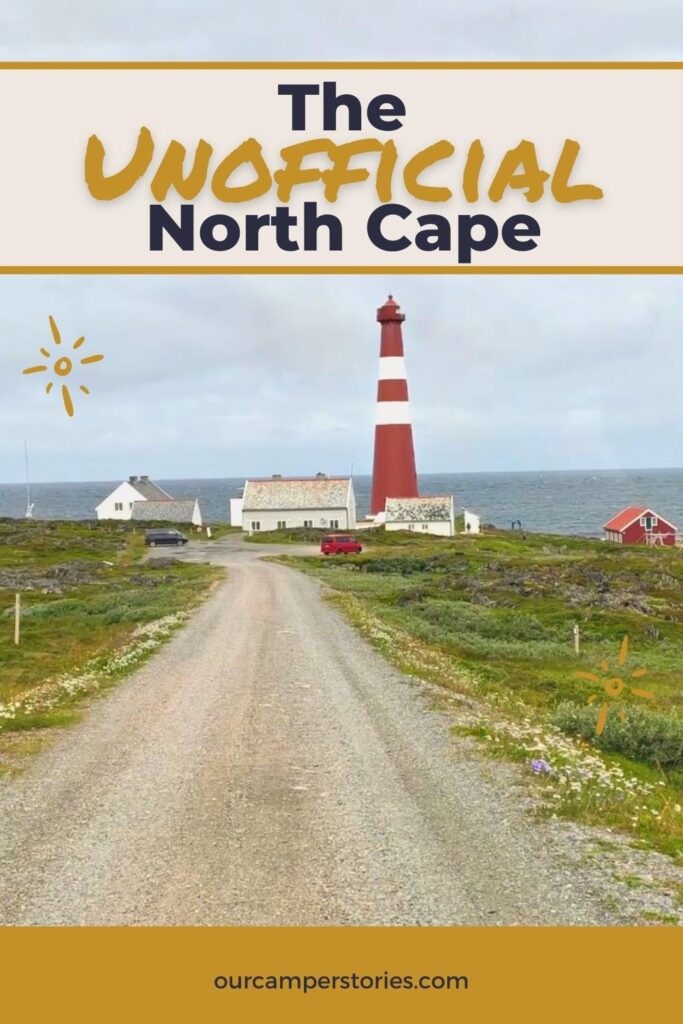
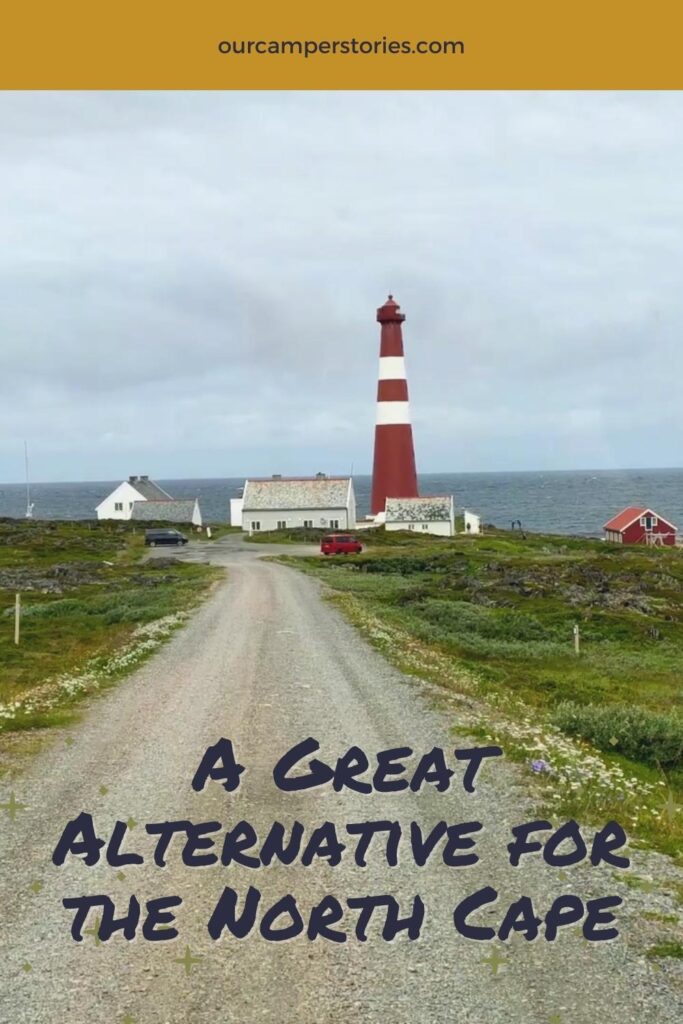
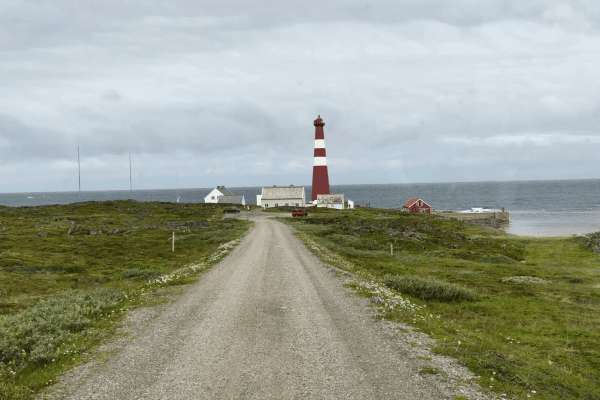
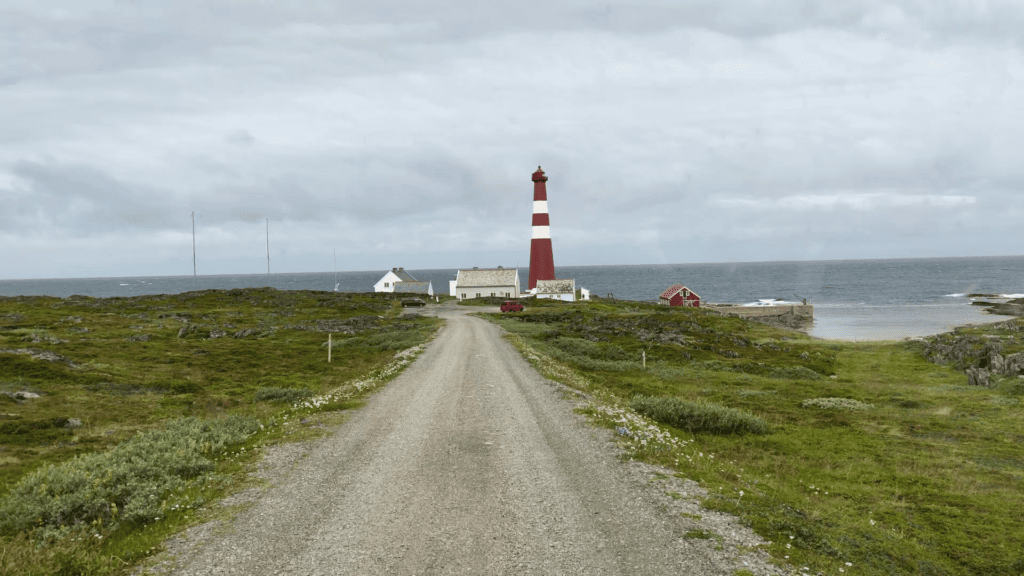
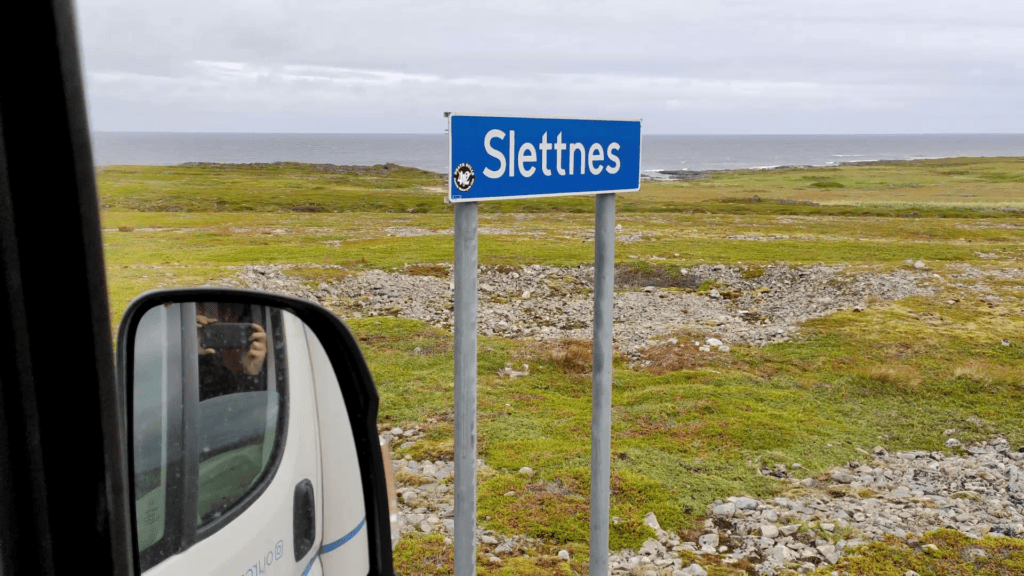
Once you arrive in Mehamn, you can take the road up to Slettnes. The Slettnes area is known for its rugged and dramatic coastline, with steep cliffs and rocky outcroppings that provide stunning views of the Barents Sea. The coastline makes it subject to strong winds and rough seas. You will find Slettnes Fyr at that coastline, also known as Slettnes Lighthouse. The lighthouse, which has been in operation since 1905, is a vital aid to navigation for ships travelling in the Barents Sea. The beacon is 40 meters (131 feet) tall and has a range of 17 nautical miles. The lighthouse is one of the most northern lighthouses in the world and is important to warn ships of the rocky coastline and treacherous waters. And this is the spot that most motorhome owners affectionately call ‘The Unofficial North Cape’.
History of Slettnes and Slettnes Fyr
This area in Finnmark has a long history of human habitation, dating back to the Stone Age. The Sami people, who are indigenous to northern Scandinavia, have lived in the Slettnes area for thousands of years. They have traditionally relied on fishing, hunting, and reindeer herding for their livelihoods, and their culture and way of life are closely tied to the Arctic landscape.
In the 17th and 18th centuries, the Slettnes area became an important centre for the Norwegian fishing industry. Norwegian and Dutch fishermen established seasonal camps along the coast, and large numbers of cod were caught and salted for export to markets in Europe. The lighthouse was built to aid navigation along the coast during the trades in the 20th century.
In 1941, German forces invaded the Soviet Union and established the Arctic port of Murmansk as a key supply route for their troops. This put the Allied forces in the Arctic, including those stationed in northern Norway, under threat. As a result, the Allies established a series of bases and airfields in the area to protect their interests and disrupt German supply lines.
Slettnes was one of the key locations in this effort. The Slettnes Lighthouse served as a lookout post for Allied forces, and an airstrip was built nearby to support the movement of troops and supplies. The area was also used to launch air raids against German positions in northern Norway and the Soviet Union.
The Germans recognized the strategic importance of the Slettnes area and launched several attacks on Allied positions there. In 1943, German planes bombed Slettnes, including the Lighthouse. But the lighthouse was restored after the war.
Today, visitors can learn about this period of history at the local museum. In recent years, Slettness has developed into a popular tourist destination, with the tourism industry significantly boosting the local economy.
Wildlife and Nature of Slettnes
One of the main draws of Slettness is its natural beauty. The Slettnes Nature Reserve is one of the largest nature reserves in Norway. The landscape of the nature reserve is characterized by rugged terrain, with rocky coastlines, sandy beaches, and extensive wetlands. The barren tundra is one of the few untouched coastal plains in Finnmark.
The reserve is home to a wide variety of plant and animal species, including several rare and endangered species. It is particularly important as a bird nesting site, with over 150 species. The water offers them a rich stock of fresh fish.

The reserve is open to visitors, and there are several hiking trails and observation points where visitors can observe the wildlife and enjoy the stunning natural scenery. However, it is important for visitors to respect the fragile ecosystem and follow the rules and regulations to protect wildlife and preserve the area’s natural beauty.
Things to do in and around Slettnes
If you’re interested in exploring the outdoors, there are plenty of activities to enjoy in and around Slettness. Visitors can go hiking or birdwatching and even take a scenic boat tour along the coastline. As I mentioned earlier, the Slettnes Nature Reserve is a must-visit for nature lovers. Several hiking trails and observation points in the reserve offer opportunities to see a wide variety of bird species and other wildlife, such as reindeer and arctic foxes.
>> See our walks through the Slettnes nature reserve here <<
For those interested in history, there are several cultural attractions to visit, including the Slettnes Lighthouse and the Sami cultural heritage sites, like Nervei, a small Sami village in the Gamvik municipality. You can also visit the cute town of Gamvik, which has the Gamvik Museum.
You can also check out the Hopseidet isthmus. This unique spot offers a stunning view of both fjords connected to the Barents Sea. Visitors can experience the connection between different types of nature as they stand on the isthmus and see the contrast between the Barents Sea’s rugged coastline and the fjord’s calmer waters. The Hopseidet isthmus is a perfect spot for taking photos, enjoying the fresh sea breeze, and taking a peaceful walk and enjoying the scenery. So, don’t miss the opportunity to visit the Hopseidet isthmus when you’re in Slettness – it’s a unique and unforgettable experience.
If you’re looking for a unique experience, consider taking a dip in the refreshing waters of the Barents Sea. Marten did this when we visited Grense Jakobselv, but you can also try it here. It’s very cold, but it’s also very cool to be able to say you swam in the Barents Sea!
>> Check out Martens dip in the Barents Sea <<
Accommodations and Services for Motorhomes
If you’re planning a trip to the unofficial North Cape, then you might want to consider staying at a parking area near Slettnes Fyr. Although you cannot park your motorhome at the lighthouse itself, there are three parking places a little bit to the west that you can use.
It’s worth noting that when you stay at these parking areas, you’ll be wild camping, and the area is within a nature reserve. Therefore, it’s essential to be mindful of the rules and regulations. There are no services available at Slettnes Fyr, so if you need to dispose of your black and grey water or refill your water supply, you can find them in Mehamn. While this might be a bit of a hassle, staying in such a beautiful location is worth it.
Alternatively, if you prefer a more traditional camping experience, a camping ground in Mehamn offers all the amenities you need. However, it can be quite expensive due to its special location.
Why Visit the Unofficial North Cape
Slettness, while it is the unofficial North Cape, is no less stunning than its more famous counterpart. With its rich history, breathtaking landscapes, and range of attractions and activities, it is a destination that should not be overlooked.
It is much calmer than the North Cape, which we also visited.
Whether you choose to wild camp near Slettnes Fyr or stay at the camping ground in Mehamn, you’ll have an unforgettable experience. The area is known for its natural beauty, breathtaking landscapes, and range of attractions and activities.
If you’re looking for an off-the-beaten-path destination, Slettness and its surrounding area are a must-visit. You’ll be amazed by the natural beauty on offer, and the journey to get there will be worth it. So why not add Slettness to your list of must-visit destinations in Norway?
>> Also read ‘Why You Should Visit The North of Norway‘ <<
Pin this: